Pamukkale Visitor Problems: Your Comprehensive Solutions Guide
Every year, thousands of visitors arrive at Pamukkale with high expectations only to encounter challenges that can transform their dream experience into disappointment. From overwhelming crowds and extreme heat to entry confusion and inflated prices, these problems are real—but entirely solvable with the right knowledge. This comprehensive guide addresses every major visitor challenge with practical, tested solutions that ensure your Pamukkale experience exceeds expectations.
🎯 Essential Problem-Solution Quick Reference
- Massive crowds? → Strategic timing: 6:30 AM arrivals or post-4 PM visits
- Extreme heat stress? → April-June or September-October windows
- Tourist scam attempts? → Know official prices and common tactics
- Overpriced food/services? → Research alternatives and bring supplies
- Entry gate confusion? → South Gate provides optimal experience flow
- Instagram vs reality shock? → Adjust expectations to current conditions
- Safety and health concerns? → Essential precautions and emergency planning
Critical Problem #1: Overwhelming Crowds and Queue Chaos
⚠️ The Reality
Peak season brings 15,000+ daily visitors with tour buses arriving in waves. One visitor described "endless queues of melting tourists under 40°C heat, waiting 2+ hours just to buy tickets." The white travertines become human highways with people fighting for photo spots.
Comprehensive Crowd Management Solutions
Master Timing Strategy
Golden Hour Arrivals (6:30-8:00 AM): Gates open at 6:30 AM with minimal crowds for 90 minutes. You'll experience near-empty travertines with perfect morning light. This window closes rapidly as tour buses arrive.
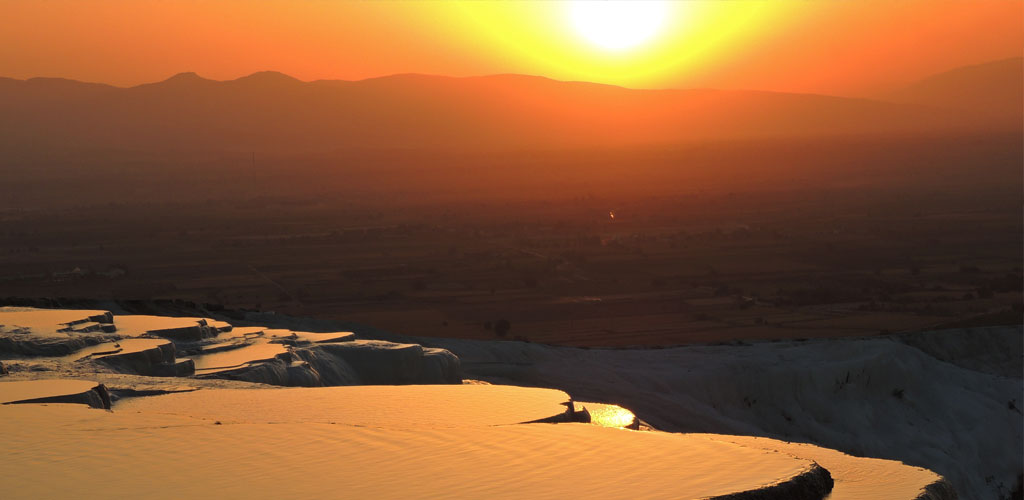
Sunset Strategy (4:00-6:30 PM): Most tour groups depart by 4 PM, leaving peaceful conditions for sunset photography. The golden hour lighting creates magical reflections in remaining water pools.
Off-Season Advantage (November-February): Visitor numbers drop 80%, creating almost private experiences. Yes, it's cooler, but you'll have the wonder virtually to yourself.
Advanced Routing Techniques
South Gate Entry: Start from the bottom, walking up naturally with gravity assistance on return. Most tours use North Gate, so this route offers crowd separation.
Counter-Flow Movement: When crowds move upward, explore lower sections. When they cluster for photos, seek alternative vantage points higher up.
💡 Insider Secret: The Hidden Viewing Areas
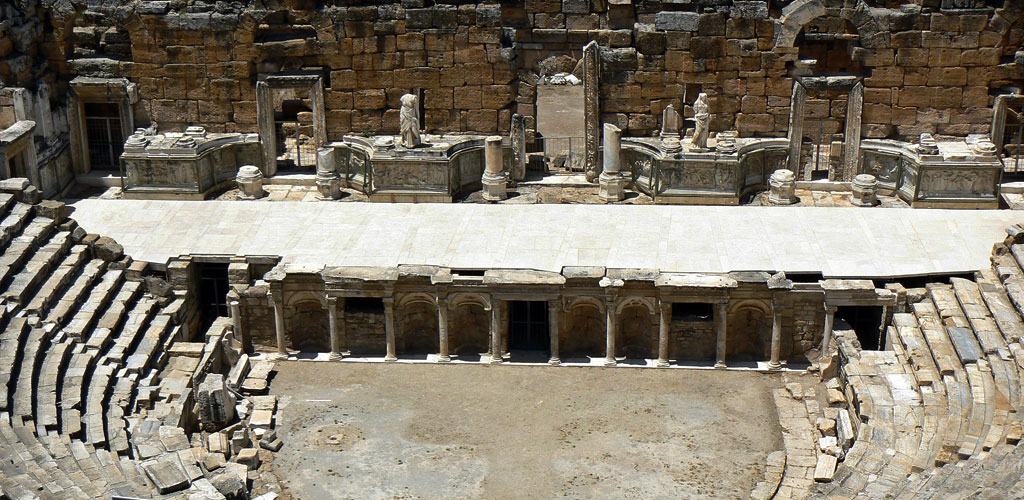
Beyond the main tourist circuit, protected conservation pools offer pristine viewing without crowds. Local guides know these spots but rarely share them. Walk 500 meters past the main pools toward the archaeological site—here you'll find untouched formations with zero tour groups.
Critical Problem #2: Extreme Heat and Sun Exposure Dangers
⚠️ Heat-Related Health Risks
The white calcium carbonate reflects UV radiation intensely, creating oven-like conditions. Visitors regularly experience heat exhaustion, dehydration, and severe sunburn. The barefoot requirement on hot terraces adds foot burn risks.
Heat Management and Protection Solutions
Seasonal Timing Optimization
Perfect Weather Windows: April-May and September-October offer 20-25°C temperatures with manageable sun exposure. These months provide the optimal comfort-experience balance.
Winter Alternative: December-February temperatures range 10-15°C—bring layers but enjoy empty pools and clear skies without heat stress.
Essential Protection Equipment
Sun Protection System: SPF 50+ sunscreen, wide-brimmed hat, UV-blocking sunglasses, and lightweight long-sleeve clothing. The reflection from white surfaces doubles UV exposure.
Foot Protection: Water shoes with good grip for wet surfaces, plus cooling foot spray for travertine walking. Many visitors underestimate how hot the calcium deposits become.
Hydration Protocol: 3+ liters water per person minimum, electrolyte supplements, and cooling towels. Dehydration happens rapidly in this environment.
💡 Professional Guide Trick
Wet your hat and shirt sleeves regularly in the thermal pools—the evaporation creates natural air conditioning while you explore. This technique keeps body temperature stable even in extreme heat.
Critical Problem #3: Tourist Scams and Price Manipulation
Common Scam Tactics and Prevention
Parking and Transport Scams
Unofficial Parking: Fake attendants charge €10-20 for "secure" parking that's actually free public space. Use only official parking with clear signage and receipts.
Transport Markup: Unauthorized taxi drivers quote €50+ for 2km rides from Denizli. Official dolmus (shared buses) cost €2-3 for the same journey.
Food and Service Overcharging
Restaurant Price Switching: Some establishments show tourists different menus with inflated prices. Always request the Turkish-language menu for authentic pricing.
Photo Service Pressure: Aggressive photographers demand €20-30 for tourist photos. Decline politely and take your own photos or tip €2-3 maximum.
⚠️ Official Pricing Reference 2025
- Pamukkale Entry: €12 (Turkish citizens: €6)
- Cleopatra's Pool: €6 additional
- Parking: €2-3 official lots
- Dolmus Transport: €2-3 from Denizli center
- Basic Restaurant Meal: €8-15 authentic pricing
Critical Problem #4: Instagram vs Reality Shock
Managing Expectations Effectively
The Truth About Current Conditions
Water Coverage Reality: Only 5-10% of travertines currently hold water. Most Instagram photos date from 30+ years ago when natural water flow was unrestricted.
Conservation Impact: Water diversion for regional irrigation and urban supply has dramatically reduced pool coverage. This is environmental reality, not temporary conditions.
Finding Value in Current State
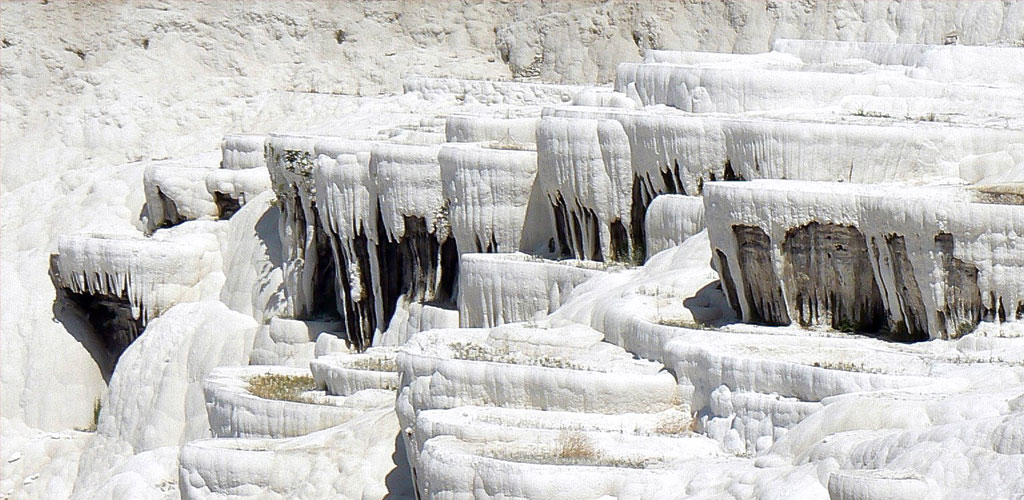
Geological Wonder: The calcium carbonate formations remain spectacular regardless of water levels. Focus on the 15,000-year natural sculpture rather than water expectations.
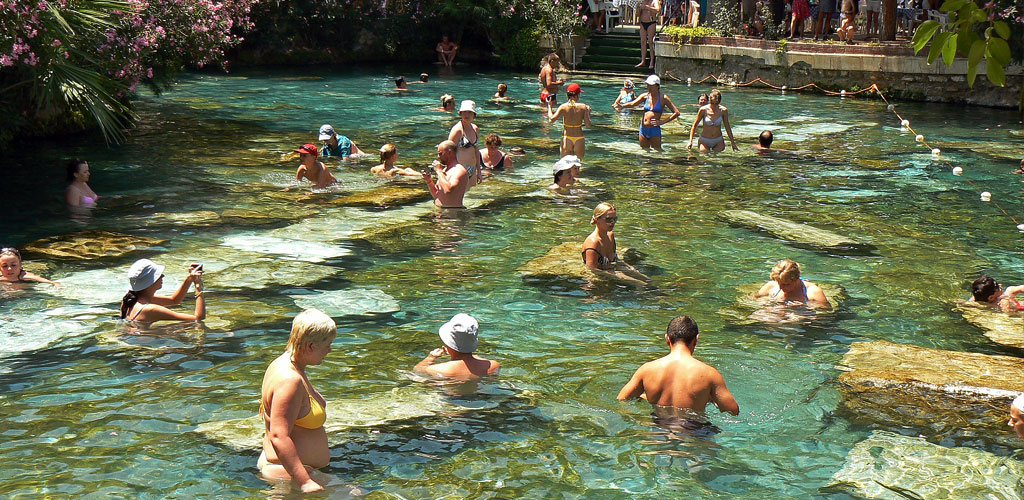
Active Thermal Pools: Cleopatra's Pool and spa facilities provide the thermal water experience with guaranteed water levels and comfortable access.
Photography Opportunities: Early morning and late afternoon light create stunning contrasts on white formations. Minimize crowds in shots by choosing angles carefully.
🎨 Photography Success Tips
Focus on texture, patterns, and scale rather than water. The geological formations tell a fascinating 15,000-year story. Use people for scale to show massive formations. Sunrise and sunset lighting transforms the white surfaces into golden sculptures.
Critical Problem #5: Safety and Health Concerns
Essential Safety Protocols
Slip and Fall Prevention
Surface Conditions: Wet calcium carbonate becomes extremely slippery. Move slowly, test footing, and avoid running or jumping. Proper footwear with grip essential.
Edge Awareness: Pool edges can be sharp and unstable. Stay away from restricted areas and test stability before stepping.
Health and Medical Preparedness
Emergency Contacts: Nearest hospital is Denizli State Hospital (20 minutes drive). Keep emergency numbers saved and inform someone of your visit plans.
First Aid Essentials: Bandages for cuts, cooling gel for burns, pain relief medication, and emergency water supplies. Heat-related incidents are common.
Food and Water Safety
Thermal Water: Safe for soaking but not drinking. Some pools contain high mineral concentrations that can cause digestive issues.
Restaurant Selection: Choose establishments with visible food preparation and high turnover. Avoid meat dishes sitting in heat for extended periods.
⚠️ Emergency Action Plan
Heat Exhaustion Signs: Dizziness, nausea, excessive sweating, rapid heartbeat. Move to shade immediately, apply cool water, and seek medical attention if symptoms persist.
Emergency Numbers: Police: 155, Medical: 112, Tourist Police: +90 258 272 2687
Critical Problem #6: Food and Dining Disappointments
Restaurant Quality and Pricing Solutions
Authentic Dining Strategy
Local Recommendations: Çal Restaurant (traditional Turkish cuisine), Kayadibi Restaurant (family-run, authentic pricing), and White Garden Restaurant (thermal pool views) offer genuine local experiences.
Market Alternative: Denizli center markets provide fresh fruits, nuts, and traditional snacks at local prices. Perfect for picnic-style meals with better nutrition.
Dietary Requirements Solutions
Vegetarian Options: Turkish cuisine offers extensive vegetable dishes. Ask for "sebze yemekleri" (vegetable dishes) or "zeytinyağlı" (olive oil dishes) for authentic options.
Food Allergies: Learn key Turkish phrases for allergies. "Alerjim var" (I have allergies) and specific allergen names ensure clear communication.
Critical Problem #7: Transportation and Access Challenges
Comprehensive Transport Solutions
Optimal Route Planning
Denizli Airport Strategy: Airport buses connect to city center (€3, 30 minutes), then dolmus to Pamukkale (€3, 20 minutes). Total journey time: 60-90 minutes.
Car Rental Benefits: Independence for timing and nearby attractions exploration. Parking availability good outside peak hours.
Public Transport Mastery
Dolmus System: Shared buses run every 20 minutes from Denizli center. Learn basic Turkish numbers for destination communication.
Return Journey Planning: Last dolmus typically 7 PM. Plan departure timing carefully to avoid being stranded.
🚌 Transport Cost Breakdown
- Airport to Denizli Center: €3 (bus)
- Denizli to Pamukkale: €3 (dolmus)
- Taxi Alternative: €15-20 (negotiate price)
- Car Rental: €25-35/day (recommended for flexibility)
Critical Problem #8: Accommodation Quality and Location Issues
Strategic Accommodation Planning
Location Optimization
Pamukkale Village: Walking distance to gates, but limited dining options. Choose hotels with breakfast included and dinner availability.
Denizli City Center: Better restaurants and services, 20-minute commute. More expensive but superior comfort and facilities.
Quality Assessment Criteria
Essential Features: Air conditioning (critical in summer), reliable hot water, Wi-Fi, and English-speaking staff. Read recent reviews focusing on maintenance standards.
Thermal Hotel Benefits: Some hotels offer private thermal pools. Worth the premium for guaranteed thermal water experience without crowds.
Advanced Problem-Solving Strategies
Professional Guide Services
Licensed Guide Benefits: Skip lines, access restricted areas, photography assistance, and cultural insights. Cost €50-80 for groups, excellent value for comprehensive experience.
Private Tour Advantages: Flexible timing, personalized pace, and problem resolution support. Particularly valuable for special needs or large groups.
Seasonal Optimization
Spring Strategy (March-May): Wildflowers bloom, temperatures moderate, fewer crowds. Ideal for photography and comfortable exploration.
Autumn Benefits (September-November): Perfect weather, harvest season cultural experiences, optimal photography light, and significantly reduced crowds.
💡 Ultimate Success Formula
Combine early morning arrival (6:30 AM), shoulder season timing (April-May or September-October), proper equipment preparation, realistic expectations, and professional guide services for the optimal Pamukkale experience. This approach solves 90% of visitor problems before they occur.
Conclusion: Transforming Problems into Perfect Experiences
Every challenge at Pamukkale has a proven solution. The key is preparation, realistic expectations, and strategic planning. Visitors who follow this comprehensive guide consistently report experiences that exceed expectations rather than disappoint. The natural wonder of Pamukkale remains extraordinary—with proper planning, your visit becomes the highlight of Turkey travel rather than a source of frustration.
Remember: the problems are temporary and solvable, but the memory of this unique geological marvel lasts forever. Use these solutions to ensure your memories are positive ones.